Discover why Tanzania is called the Heart of Africa. This comprehensive guide covers everything from geography and culture to wildlife and practical travel information for your Tanzanian adventure.
Welcome to Tanzania: The Heart of Africa
Tanzania, officially the United Republic of Tanzania, is a country in East Africa that truly embodies the spirit of the African continent. With its diverse landscapes, rich cultural heritage, and incredible wildlife, Tanzania offers an authentic African experience that captivates visitors from around the world.
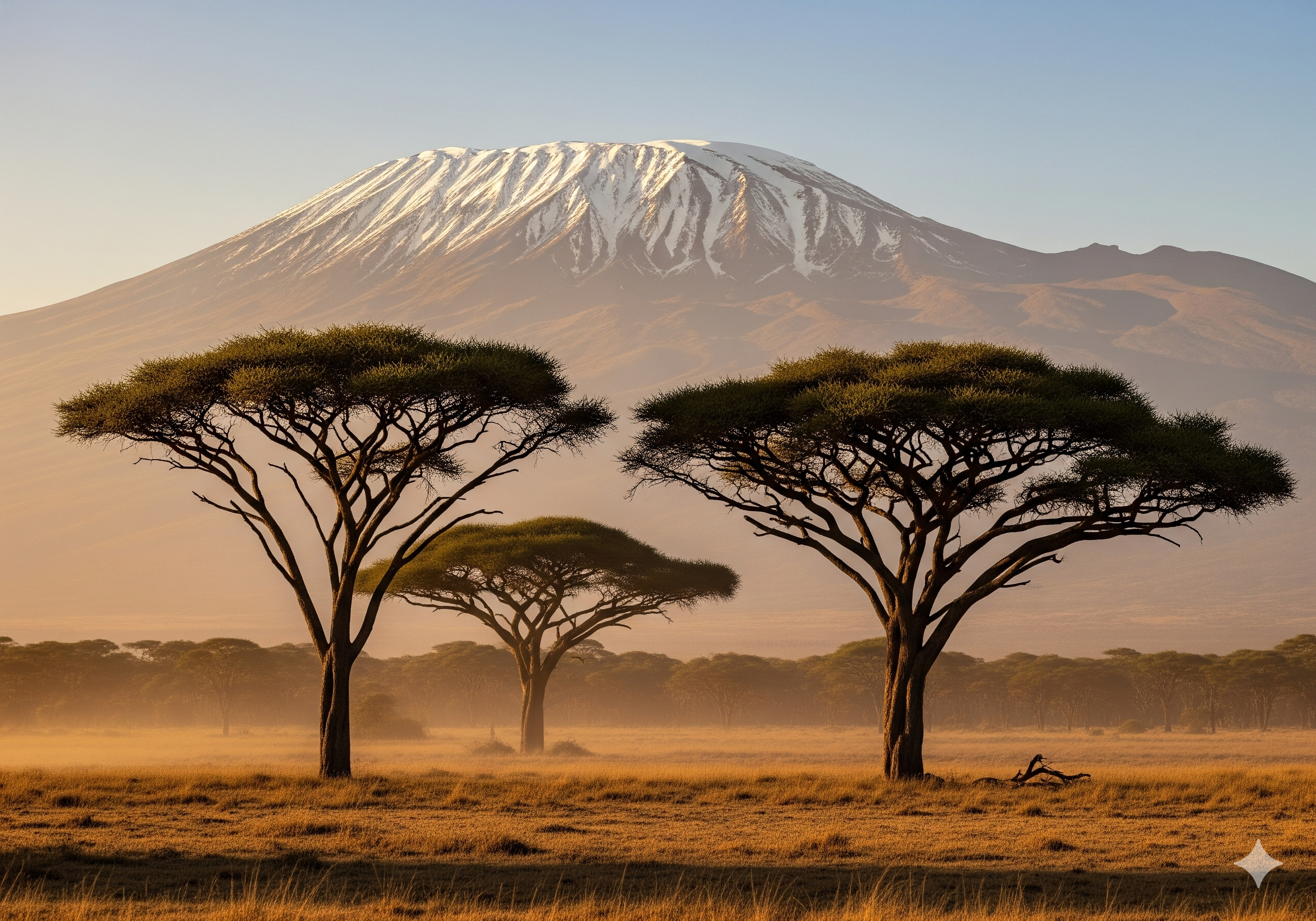
From the snow-capped peaks of Mount Kilimanjaro to the pristine beaches of Zanzibar, from the vast plains of the Serengeti to the crystal-clear waters of Lake Victoria, Tanzania is a land of extraordinary contrasts and natural wonders.
Why Tanzania is Called the Heart of Africa
Tanzania's central location in East Africa, combined with its incredible biodiversity and cultural diversity, has earned it the nickname 'The Heart of Africa.' The country is home to some of the continent's most iconic landmarks and serves as a gateway to understanding Africa's natural and cultural heritage.
Geography and Landscape
Tanzania's Diverse Terrain
Tanzania covers an area of 945,087 square kilometers, making it the 31st largest country in the world. The country's geography is incredibly diverse, featuring everything from coastal plains to highland plateaus, volcanic mountains to vast lakes.
Key Geographic Features
- Mount Kilimanjaro - Africa's highest peak at 5,895m
- Mount Meru - Active volcano and second highest peak
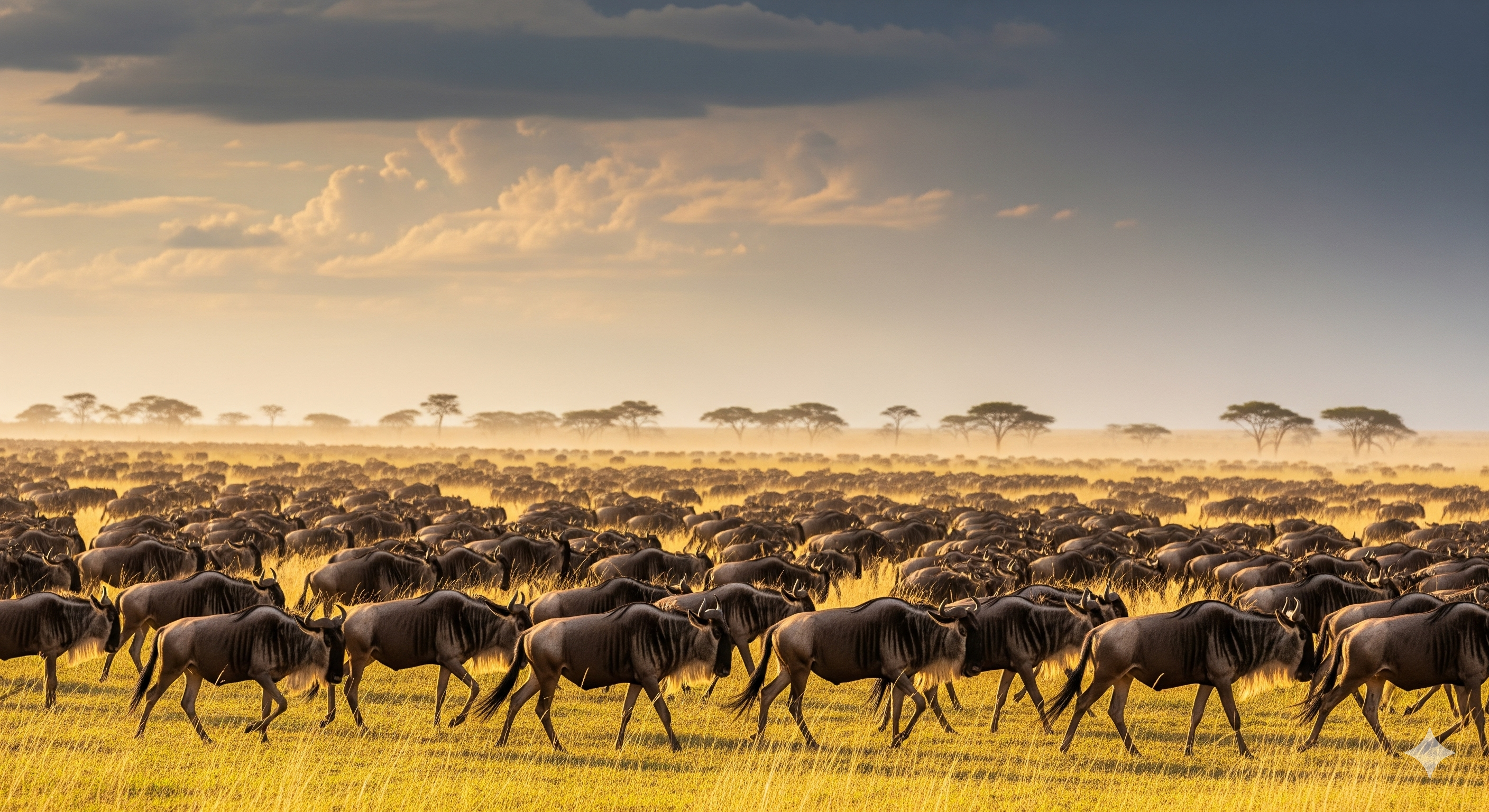
- Serengeti Plains - Vast grasslands covering 30,000 km²
- Ngorongoro Crater - World's largest intact caldera
- Lake Victoria - Africa's largest lake
- Lake Tanganyika - World's second deepest lake
- Indian Ocean coastline - 1,424 km of pristine beaches
- Zanzibar Archipelago - Spice islands with rich history
Climate and Weather
Tanzania's Tropical Climate
Tanzania experiences a tropical climate with distinct wet and dry seasons. The climate varies significantly across different regions due to the country's diverse topography and proximity to the Indian Ocean.
Climate Zones
Coastal Region: Hot and humid year-round with temperatures 25-30°C Highlands: Cooler temperatures with distinct seasons Northern Plains: Hot and dry with seasonal rains Southern Highlands: Moderate temperatures with cool nights
Tanzania Climate Map
Culture and People
Tanzania's Rich Cultural Heritage
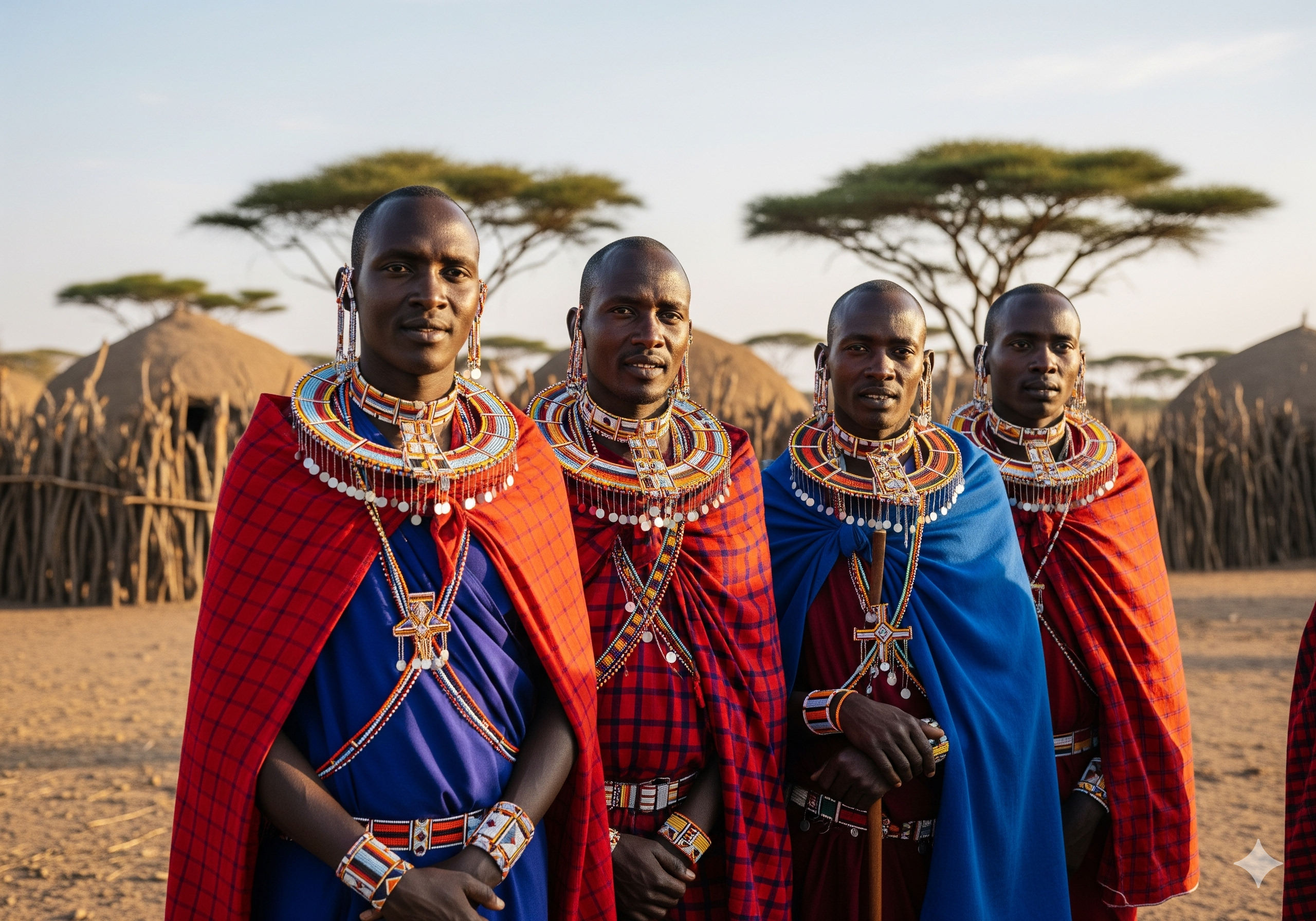
Tanzania is home to over 120 ethnic groups, each with its own unique traditions, languages, and customs. This incredible diversity creates a rich cultural tapestry that reflects the country's position as a crossroads of African civilizations.
Major Ethnic Groups
- Sukuma - Largest ethnic group, primarily farmers
- Chagga - Kilimanjaro region, known for coffee farming
- Maasai - Semi-nomadic pastoralists
- Haya - Lake Victoria region, known for banana cultivation
- Nyamwezi - Central Tanzania, traditional traders
- Hehe - Southern highlands, known for resistance to German rule
- Swahili - Coastal region, influenced by Arab and Persian cultures
In Tanzania, we say 'Hakuna Matata' - no worries. This phrase reflects our philosophy of life and our welcoming spirit towards visitors from around the world.
Wildlife and Conservation
Tanzania's Incredible Biodiversity
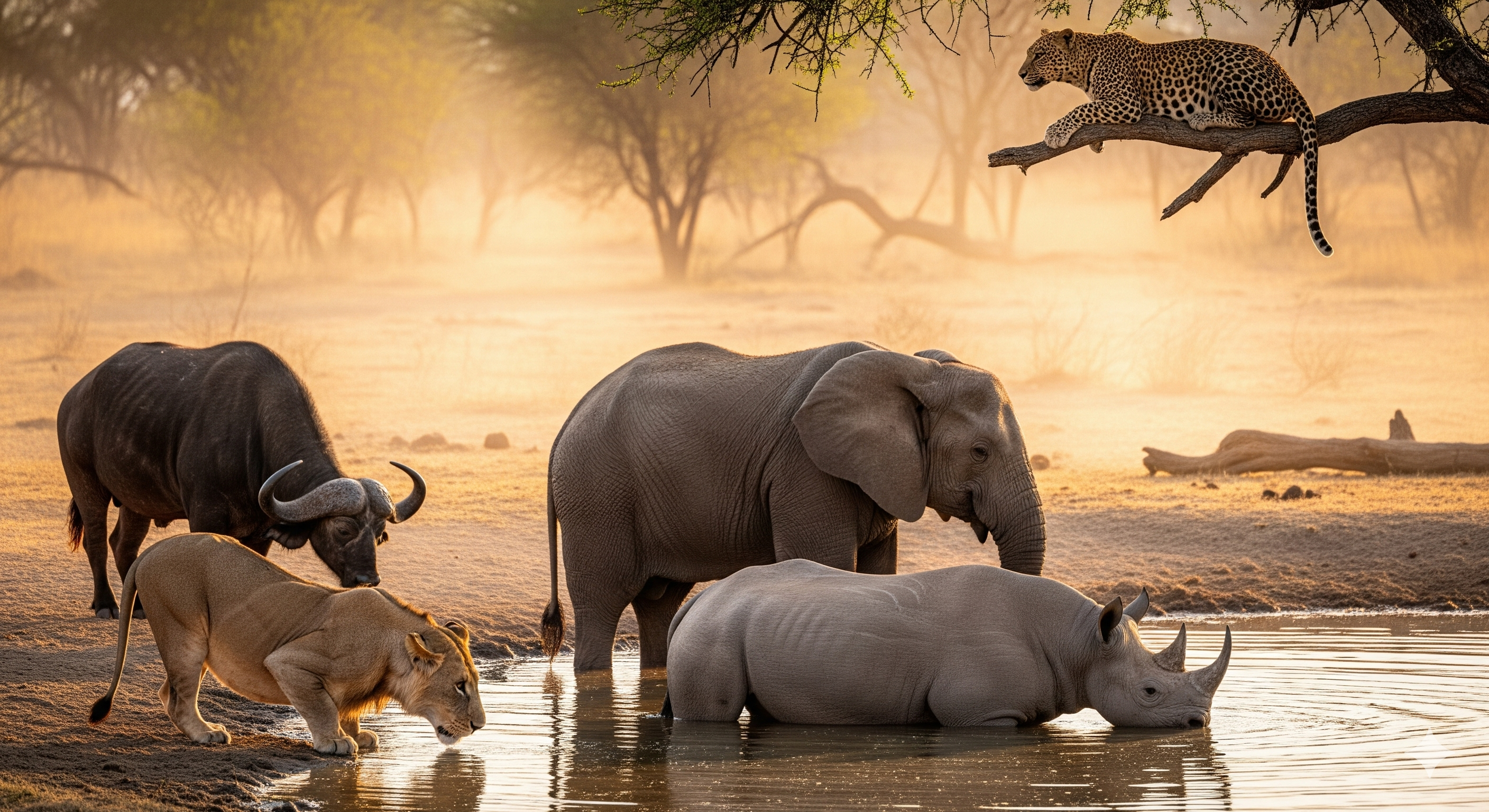
Tanzania is home to some of the world's most spectacular wildlife and is considered one of the best safari destinations on Earth. The country has dedicated over 25% of its land area to conservation, making it a global leader in wildlife protection.
Famous National Parks and Reserves
- Serengeti National Park - World Heritage Site, home to the Great Migration
- Ngorongoro Conservation Area - UNESCO World Heritage Site with the famous crater
- Tarangire National Park - Known for large elephant herds and baobab trees
- Lake Manyara National Park - Famous for tree-climbing lions
- Selous Game Reserve - Africa's largest game reserve
- Ruaha National Park - Remote wilderness with diverse wildlife
- Gombe Stream National Park - Jane Goodall's chimpanzee research site
- Mahale Mountains National Park - Home to chimpanzees and pristine forests
Wildlife Viewing Tip
The best time for wildlife viewing is during the dry season (June to October) when animals gather around water sources. However, the wet season (November to May) offers lush landscapes and excellent bird watching opportunities.
History and Heritage
Tanzania's Rich Historical Legacy
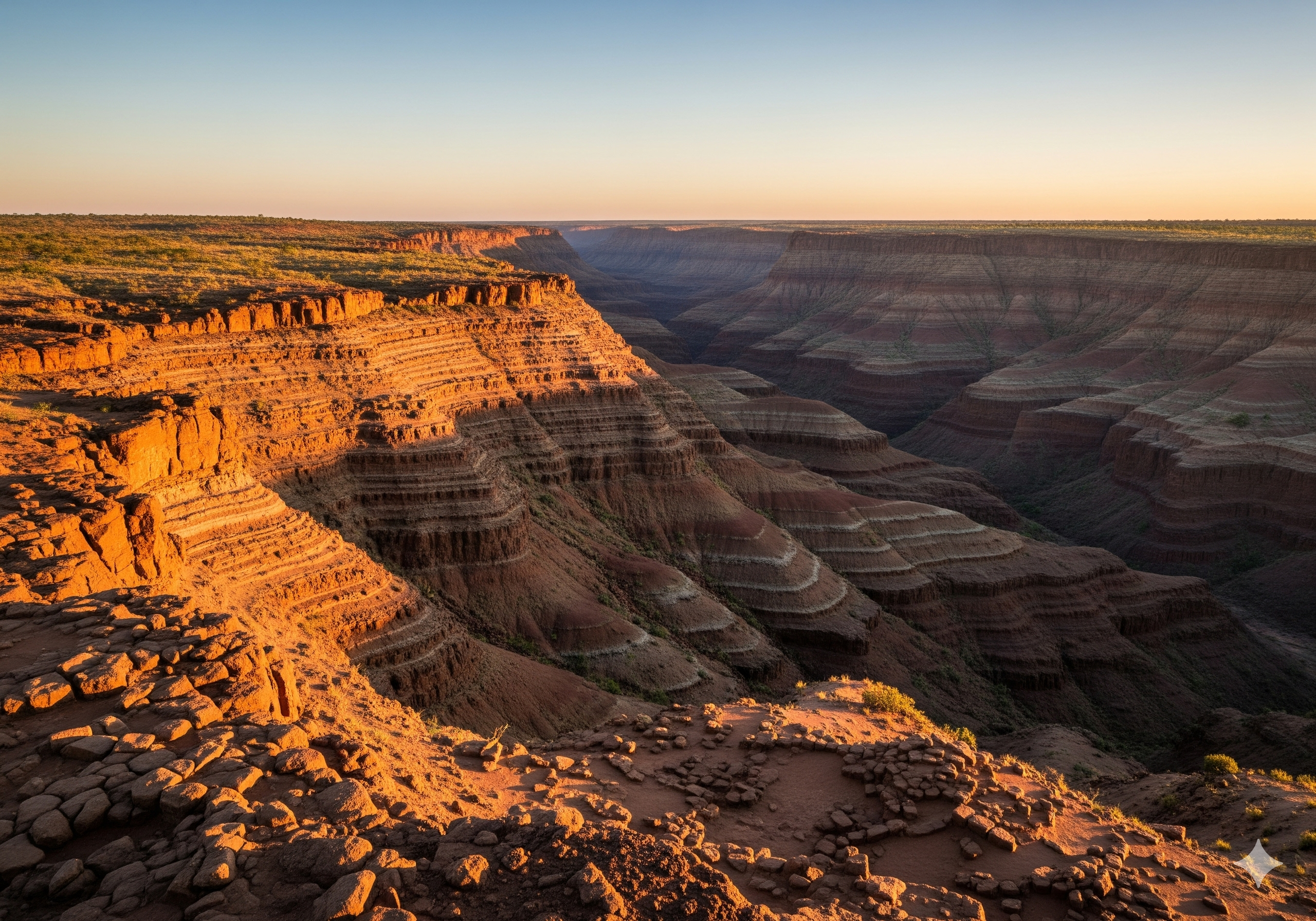
Tanzania has a rich and complex history that spans thousands of years, from early human settlements to the modern nation-state. The country is home to some of the world's most important archaeological sites and has played a crucial role in African history.
Key Historical Periods
- Prehistoric Era - Olduvai Gorge, birthplace of humanity
- Ancient Kingdoms - Kilwa Sultanate, Zanzibar Sultanate
- Colonial Period - German East Africa, British Tanganyika
- Independence - 1961 (Tanganyika), 1963 (Zanzibar)
- Union - 1964 United Republic of Tanzania
- Modern Era - Democratic development and economic growth
Economy and Development
Tanzania's Growing Economy
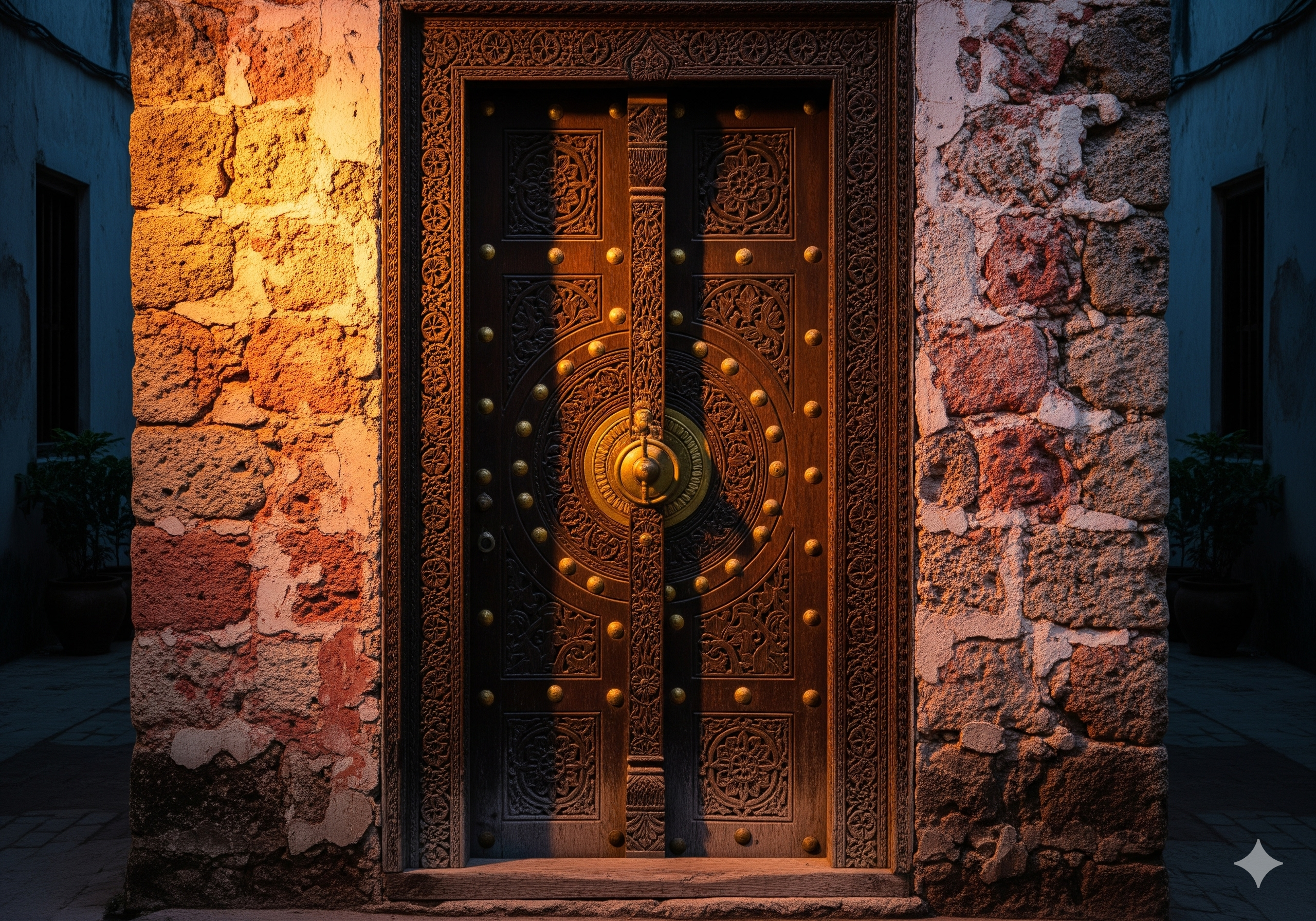
Tanzania has one of the fastest-growing economies in East Africa, with agriculture, mining, and tourism as key sectors. The country is working towards becoming a middle-income economy while maintaining its commitment to sustainable development.
Key Economic Sectors
- Agriculture - Coffee, tea, cashews, cotton, tobacco
- Mining - Gold, diamonds, tanzanite, natural gas
- Tourism - Safari, beach, cultural, and adventure tourism
- Manufacturing - Textiles, food processing, construction materials
- Services - Banking, telecommunications, transportation
- Fishing - Lake Victoria, Indian Ocean fisheries
Economic Facts
GDP Growth Rate: 6-7% annually Currency: Tanzanian Shilling (TZS) Major Exports: Gold, coffee, cashews, cotton Tourism Contribution: 17% of GDP Population: Over 60 million people Urbanization: 35% urban, 65% rural
Languages and Communication
Tanzania's Linguistic Diversity
Tanzania is a multilingual country with over 120 languages spoken. Swahili and English are the official languages, with Swahili serving as the national language and lingua franca that unites the diverse ethnic groups.
Common Swahili Phrases
- Jambo - Hello
- Asante - Thank you
- Karibu - Welcome
- Hakuna Matata - No worries
- Pole - Sorry
- Tafadhali - Please
- Ndiyo - Yes
- Hapana - No
- Habari? - How are you?
- Mzuri - Fine/Good
Language Tip
Learning a few basic Swahili phrases will greatly enhance your experience in Tanzania. Locals appreciate visitors who make an effort to speak their language, even if just a few words.
Religion and Beliefs
Tanzania's Religious Landscape
Tanzania is a secular country with religious freedom guaranteed by the constitution. The population is roughly divided between Christianity, Islam, and traditional African religions, with many people practicing a blend of beliefs.
Religious Distribution
- Christianity - Approximately 60% of the population
- Islam - Approximately 35% of the population
- Traditional African Religions - Approximately 5% of the population
- Other Religions - Small communities of Hindus, Sikhs, and others
Arts and Culture
Tanzania's Vibrant Cultural Scene
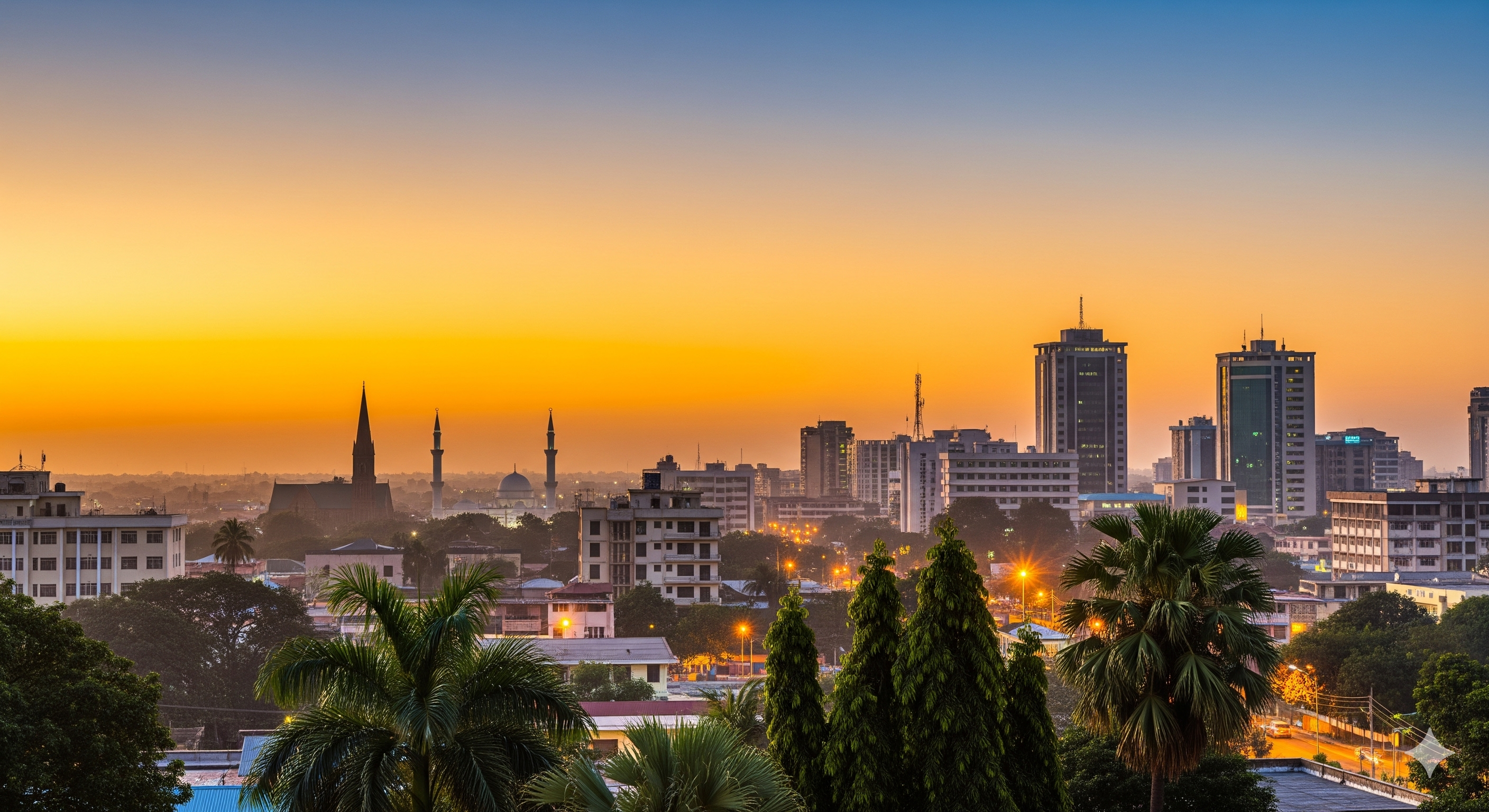
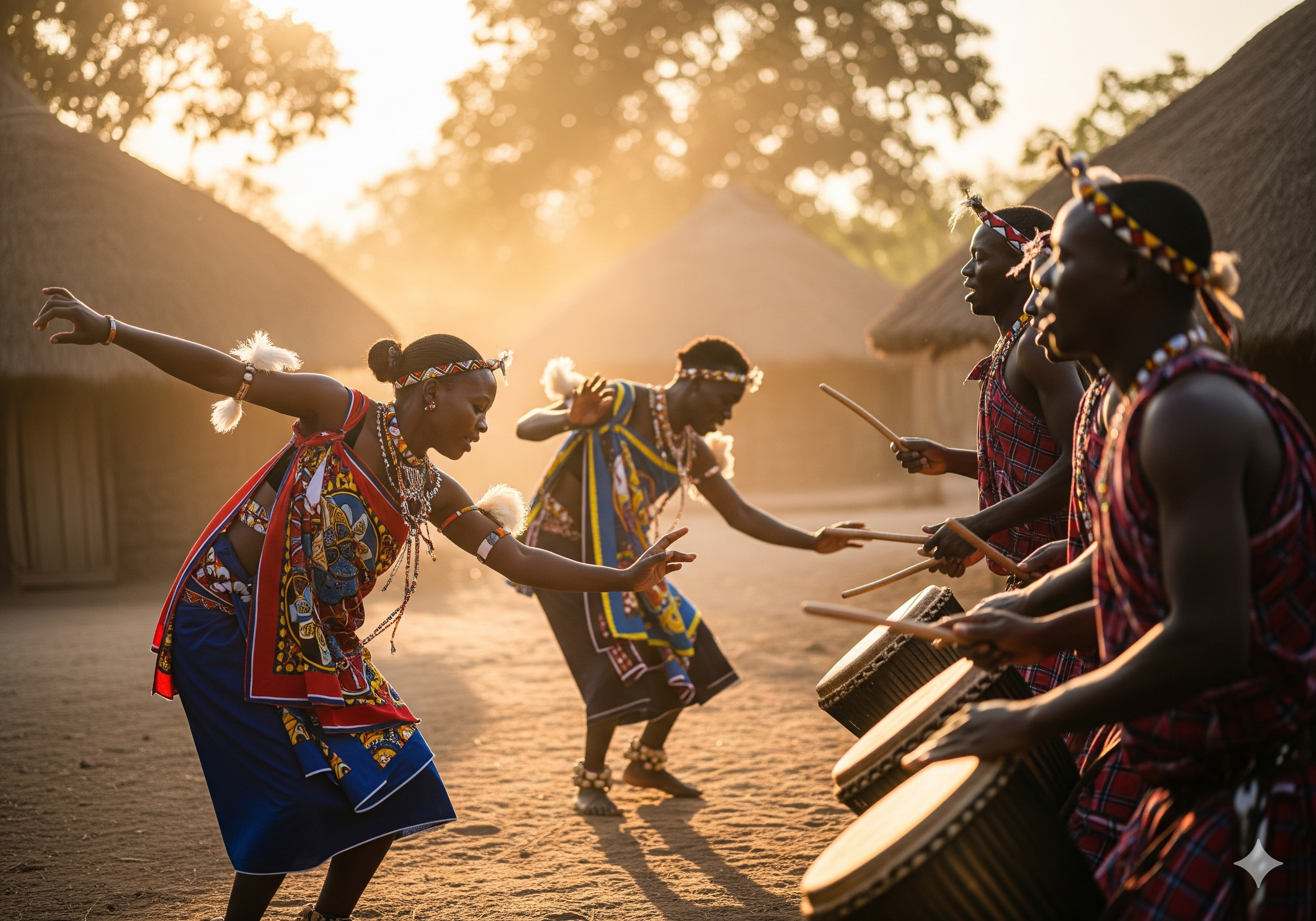
Tanzanian culture is rich in music, dance, art, and storytelling. The country has produced internationally renowned artists and continues to be a center of cultural innovation in East Africa.
Cultural Expressions
- Music - Bongo Flava, Taarab, traditional drumming
- Dance - Traditional dances from various ethnic groups
- Art - Tingatinga painting, Makonde wood carving
- Literature - Swahili poetry and novels
- Cuisine - Diverse regional dishes and spices
- Crafts - Beadwork, basket weaving, pottery
Practical Information
Essential Facts for Visitors
Quick Facts
- Capital: Dodoma (official), Dar es Salaam (commercial)
- Population: Over 60 million
- Area: 945,087 km²
- Time Zone: UTC+3 (EAT)
- Driving: Left-hand side
- Electricity: 230V, 50Hz
- Internet Domain: .tz
- Country Code: +255
Important Note
Tanzania is generally a safe country for tourists, but it's important to take standard precautions. Keep your valuables secure, avoid walking alone at night, and follow the advice of your tour guides and local authorities.
Conclusion
Tanzania: A Land of Endless Possibilities
Tanzania truly lives up to its reputation as the Heart of Africa. With its incredible natural beauty, rich cultural heritage, and warm hospitality, it offers visitors an authentic African experience that will stay with them forever. Whether you're seeking adventure, relaxation, or cultural immersion, Tanzania has something special to offer every traveler.
As the saying goes, 'Tanzania is not just a destination; it's an experience that will change the way you see the world.' Come and discover why this beautiful country is truly the Heart of Africa.